The Role of Telemedicine in Radiology: A Turning Point for Patient Care
Radiology is becoming increasingly dependent on speed, specialist availability, and connected digital workflows. With the rise in imaging volumes, healthcare organizations need reliable ways to interpret and report X-rays, CT scans, MRIs, ultrasounds and other diagnostic imaging studies without causing delays in patient care. This is where telemedicine in radiology is making a big difference.
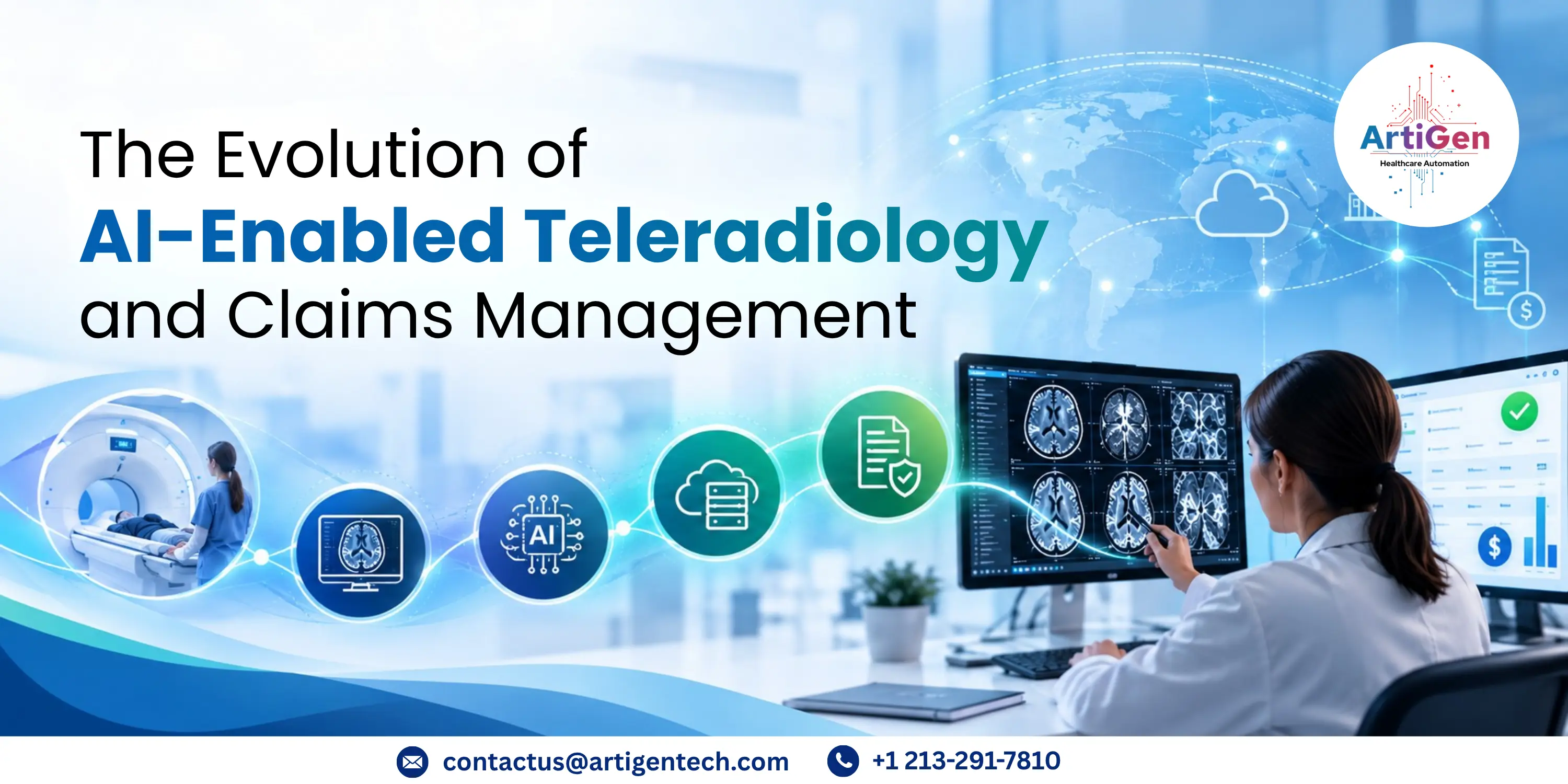
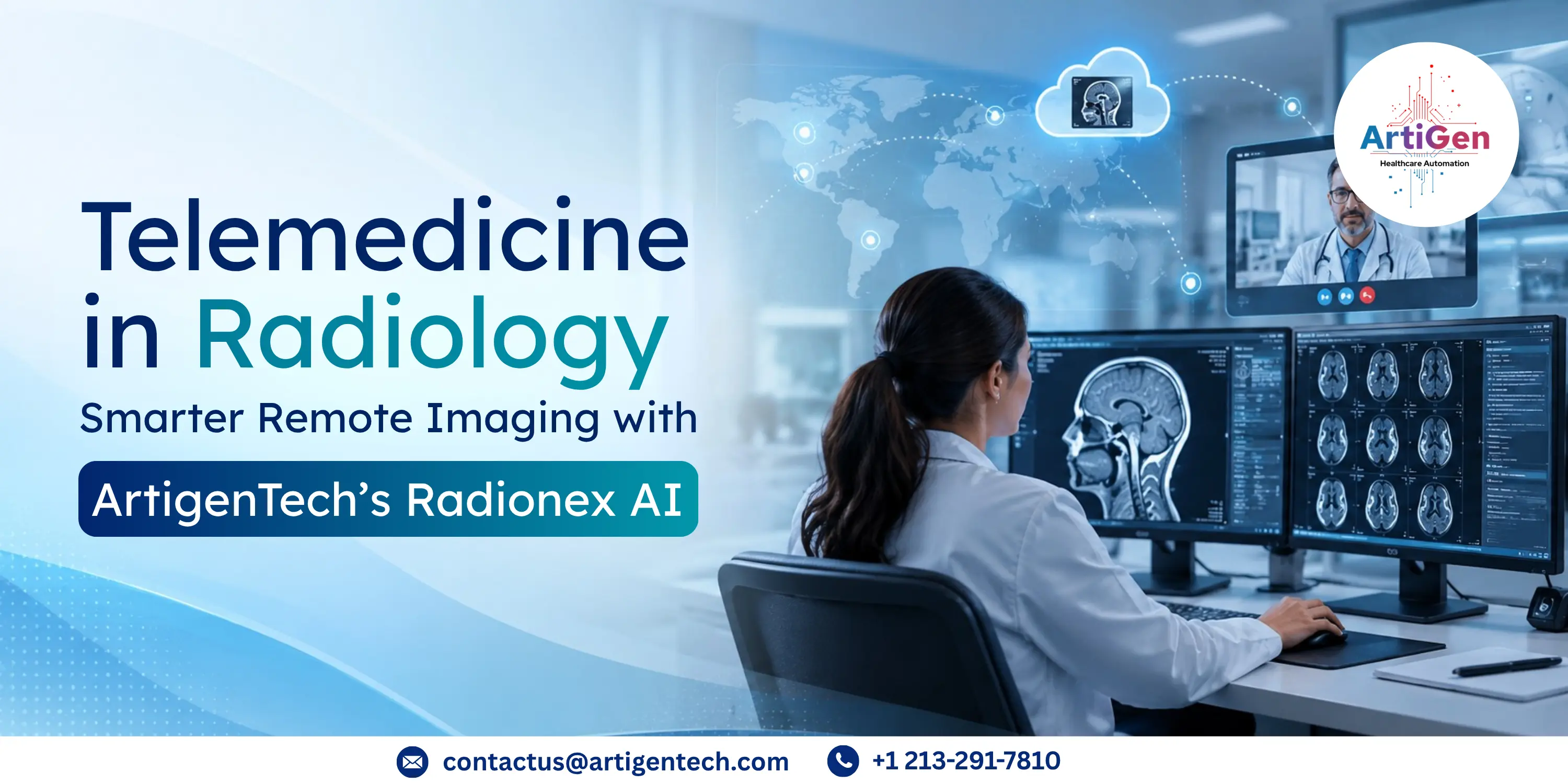
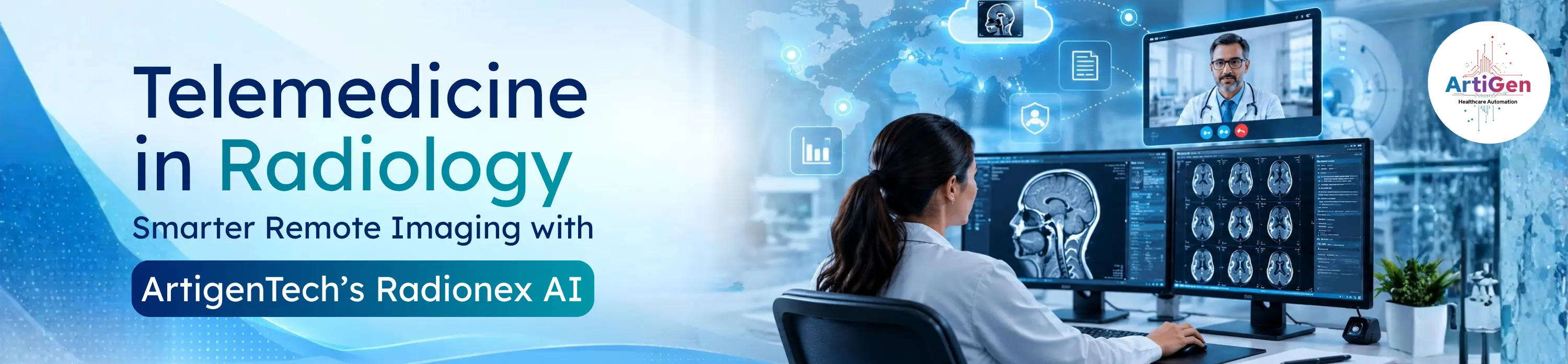
Telemedicine radiology enables healthcare organizations to connect patient imaging with qualified experts, regardless of their physical location. Today, Teleradiology providers and specialists can review studies remotely and provide reports to assist organizations with reporting backlogs, after-hours coverage and limited access to subspecialty expertise.
For ArtigenTech, the opportunity is about more than just linking images to remote readers. The focus is on addressing real workflow challenges through radiology workflow automation, AI supported coding, documentation review and connected diagnostic imaging solutions.
What Is Telemedicine in Radiology?
Telemedicine in radiology is the use of secure digital technology to allow radiologists to view medical images and provide clinical interpretations from remote locations. This model permits telemedicine radiology services, which implies hospitals, urgent care centers, imaging facilities and other healthcare organizations can access radiology expertise without the requirement to have every specialist physically on site.
Modern telemedicine radiology relies on a linked diagnostic imaging network, allowing safe transit of images, clinical data and reports from imaging locations to remote specialists.
This has led to an increased role of remote radiology services. Instead of relying solely on local staffing, organizations can supplement imaging workflows with radiology reading services, Teleradiology reporting services and Teleradiology interpretation services when in-house resources are limited.
Why Teleradiology Matters for Modern Patient Care
One of the biggest challenges facing healthcare organizations is ever-growing gap between demand for medical imaging and the availability of specialists. A facility may have modern diagnostic imaging devices, but without sufficient radiology expertise, those studies may end up with delayed reporting queues.
The Teleradiology specialists can help in solving this problem by interpreting studies remotely and helping in fast reporting. For organizations with high imaging volumes, Teleradiology providers can be integrated into the existing radiology workflow rather than being used as an external reporting resource.
This is particularly important for emergency departments and urgent care centers. Teleradiology services urgent care workflows can help organizations obtain radiology interpretation when immediate onsite specialist coverage is not available.
The result is a more connected approach to radiology patient care, where imaging interpretation can move closer to the point of clinical decision-making.
Supporting Imaging Centers with Remote Expertise
Imaging centers often handle a large number of diagnostic examinations and must balance staffing, turnaround-time, and reporting requirements. Teleradiology for imaging centers can address these operational pressures by integrating imaging studies with remote radiology expertise.
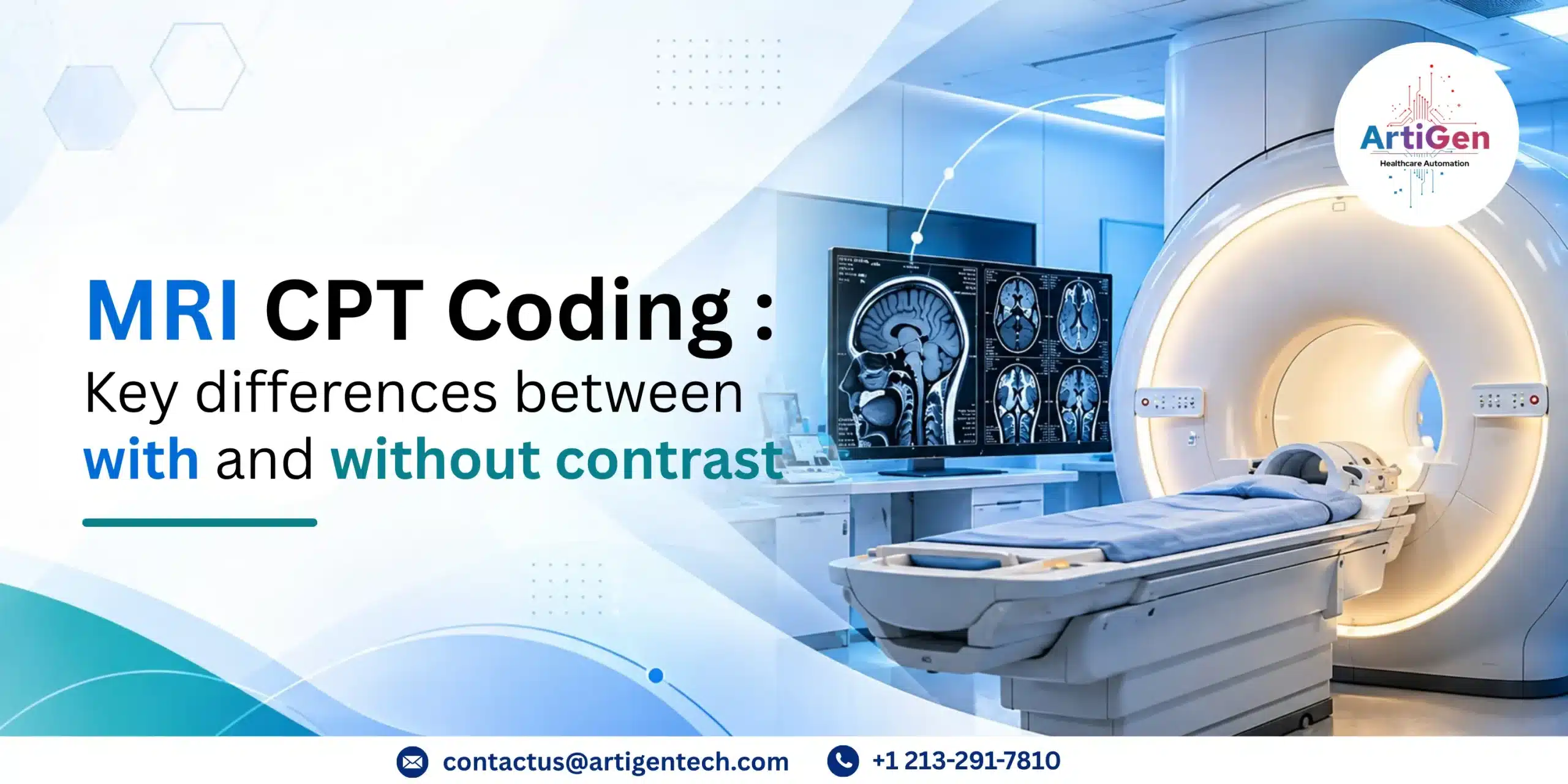
For example, an imaging center may perform MRI radiology examinations throughout the day but have limited availability of specialized MRI readers. MRI Teleradiology services can facilitate remote interpretation while enabling the imaging center to maintain its normal acquisition workflow.
Likewise, Teleradiology ultrasound services can offer remote interpretation support for facilities that perform ultrasound examinations but lack sufficient specialist availability for every study.
Radiology and Teleradiology services allow healthcare organizations to build a more flexible reporting model without the need to redesign their whole imaging infrastructure.
How Teleradiology Outsourcing Can Solve Workflow Bottlenecks
The purpose of Teleradiology outsourcing should not simply be to move work outside an organization. Effective outsourcing Teleradiology services should solve a specific operational problem, such as reporting backlogs, after-hours and overnight coverage, subspecialty expertise access (Example – neuro-radiologist, musculoskeletal imaging) specialist shortages, or increasing examination volumes.
When Teleradiology service providers are integrated appropriately, organizations can use external expertise to supplement internal teams. This model can be especially useful when facilities need additional radiology reporting services during peak periods.
However, radiology telemedicine outsourced workflows need more than remote image interpretation. The surrounding workflow must also support documentation, coding, claims, quality checks, and communication between teams.
This is where ArtigenTech takes a broader approach.
ArtigenTech: Connecting Radiology Workflows with Automation
ArtigenTech explores operational challenges in radiology documentation by integrating Radiology Information Systems (RIS), Picture Archiving and Communication Systems (PACS), AI-powered tools, and reporting platforms, organizations can create a connected workflow in which cases move efficiently between systems, radiologists, quality reviewers, billing, coding teams and revenue cycle workflows across healthcare organizations.
Rather than approaching diagnostic imaging solutions as an imaging technology problem, ArtigenTech is focused on what happens after the clinical documentation and imaging information enter the healthcare workflow.
Through radiology workflow automation, organizations can reduce repetitive manual reviews, establish seamless connectivity among hospitals, diagnostic imaging centers, and teleradiology providers, and ensure more consistent identification and extraction of coding information from clinical documentation.
RadioNEX AI from ArtigenTech is designed to help with radiology coding workflows by analysing useful information within clinical documentation. This can be especially useful when radiology teams are working with large volumes of studies and complex documentation.
For organizations that employ remote radiology services, integrating remote interpretation with structured downstream coding workflows can help create a more connected operational model.
The Growing Role of AI in Teleradiology
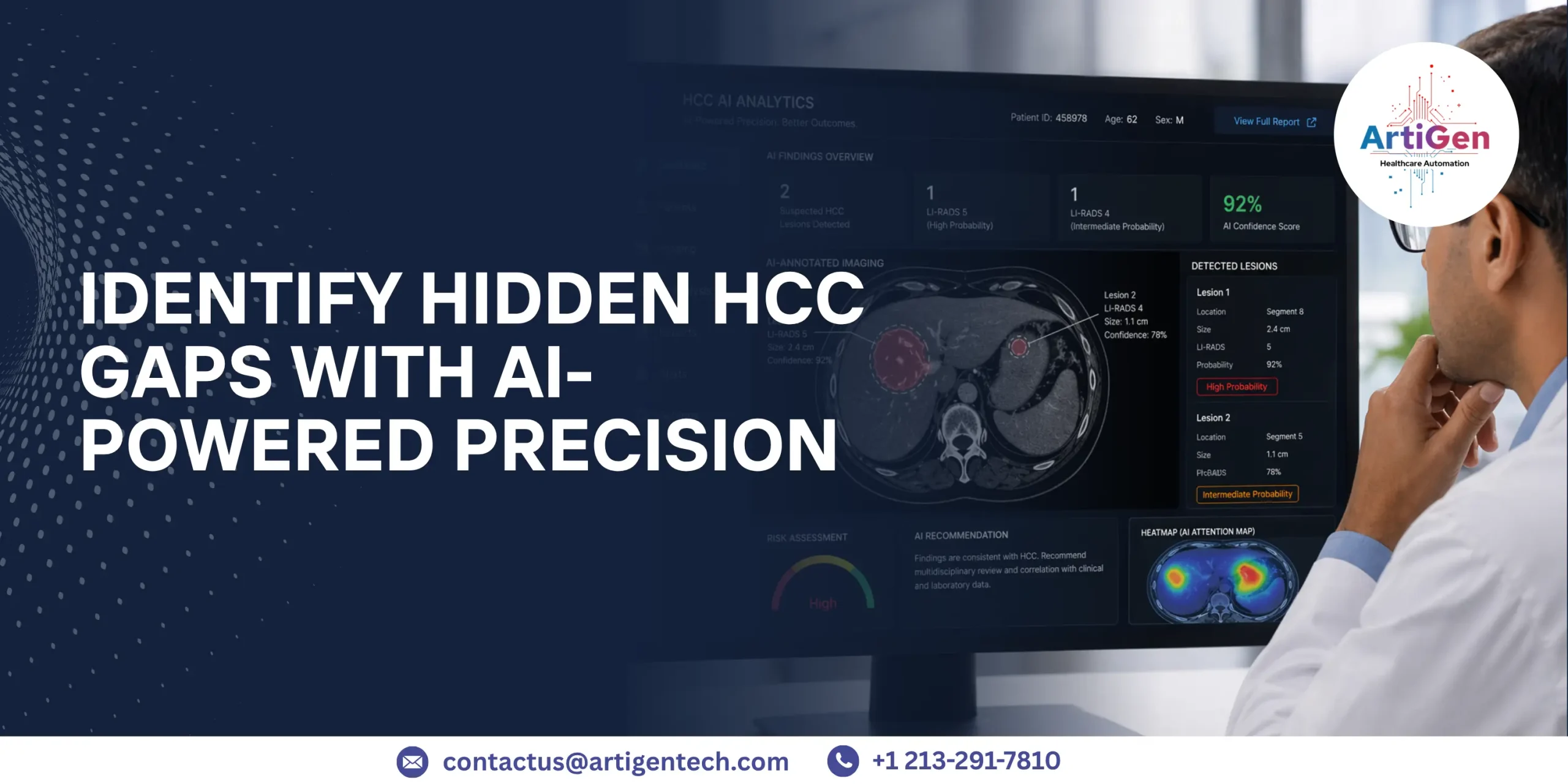
AI in teleradiology is expanding the possibilities of remote imaging workflows. AI can support radiology teams by helping organize information, identify patterns, prioritize workflows, and reduce repetitive administrative tasks.
However, AI in teleradiology should complement—not replace—qualified radiologists and coding professionals. Clinical interpretation continues to require appropriate specialist judgment, while automation can support the repetitive processes surrounding the interpretation.
For example, diagnostic imaging solutions can become more valuable when imaging information is connected with automated workflow processes. Similarly, digital radiology services can benefit when imaging, documentation, reporting, and coding processes are better coordinated.
ArtigenTech applies this principle through RadioNEX AI, helping organizations explore how AI-supported radiology coding can complement their broader telemedicine radiology services and revenue-cycle workflows.
From Diagnostic Imaging to a Connected Workflow
A modern diagnostic imaging network is no longer limited to imaging equipment and image storage. This can involve imaging centers, radiologists, remote specialists, coding teams, healthcare providers, and digital workflow technologies.
Organizations using teleradiology reporting services might need to think beyond the radiology report itself. The report eventually becomes part of a larger healthcare workflow involving documentation, coding, billing, claims, and patient care.
This is why radiology reading services and radiology reporting services work best when they are linked to efficient downstream processes.
For example, a healthcare organization may use teleradiology interpretation services to get a remote radiology interpretation and then leverage automation to support the associated coding workflow. This creates a more connected process from diagnostic imaging to reimbursement.
Improving Access to Radiology Patient Care
One of the strongest advantages of telemedicine radiology is its ability to expand access to radiology expertise. Rural facilities, urgent care services, imaging centers and organizations with limited specialist availability can use remote models to connect patients to qualified radiologists.
Urgent care teleradiology services can be particularly beneficial when facilities require timely interpretation beyond traditional working hours. By leveraging 24/7 teleradiology coverage, urgent care facilities can obtain prompt diagnostic reports for emergency and non-emergency cases, including after-hours, weekends, and holidays. This helps clinicians make informed treatment decisions, reduce patient waiting times, and improve overall workflow efficiency.
Similarly, teleradiology for imaging centres can help organizations manage changing imaging volumes without completely relying on local staffing.
With appropriate technology, remote radiology services can support continuity of care, while reducing geographic limitations.
The combination of telemedicine in radiology, AI in teleradiology, and digital radiology services is thus taking radiology towards a more connected model of patient care.
The Future of Telemedicine Radiology
The future of telemedicine radiology will likely depend on how well organizations are able to combine specialist expertise, digital connectivity, automation and structured workflows.
Teleradiology specialists and teleradiology providers will continue to be essential for remote interpretation, and technology may assist in reducing the administrative and operational burden of imaging.
Healthcare organizations shouldn’t just be focused on adopting more technology. The emphasis should be on solving measurable issues such as late reports, backlogs of reports, lack of specialists, fragmented workflows, manual coding procedures, and avoidable revenue-cycle problems.
ArtigenTech is addressing this challenge by combining health care knowledge and automation. RadioNEX AI supports the radiology coding workflow. More expansive diagnostic imaging solutions, radiology workflow automation and connected digital radiology services can help organizations build more efficient processes around imaging to deliver more accessible and patient-focused diagnostic care.
Conclusion
Telemedicine in radiology is becoming a turning point as it changes the way radiology expertise can reach patients and healthcare organizations. Remote interpretation can help organizations improve access to specialist expertise and support timely patient care, from remote radiology services to MRI teleradiology services and teleradiology ultrasound services.
But the opportunity is more than interpretation. To be effective, teleradiology outsourcing, teleradiology reporting services, and radiology and teleradiology services need connected workflows that support the entire journey from diagnostic imaging to coding and reimbursement.
Organizations can move towards a more connected model with AI in teleradiology and radiology workflow automation, where technology supports specialists, reduces tedious work, and improves radiology patient care.
ArtigenTech helps this transition by helping healthcare organizations solve real-world radiology workflow and coding challenges with solutions like RadioNEX AI — bringing automation to the procedures associated with modern diagnostic imaging.